Judge denies qualified immunity for former Rusk County deputy sued in shooting death
TYLER, Texas (KLTV) - A former Rusk County deputy has been denied qualified immunity by a federal judge for his role in a fatal shooting in September of 2022.
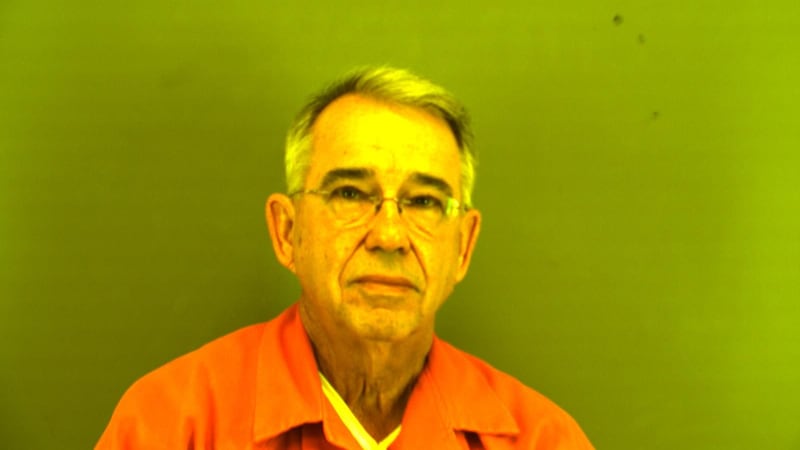
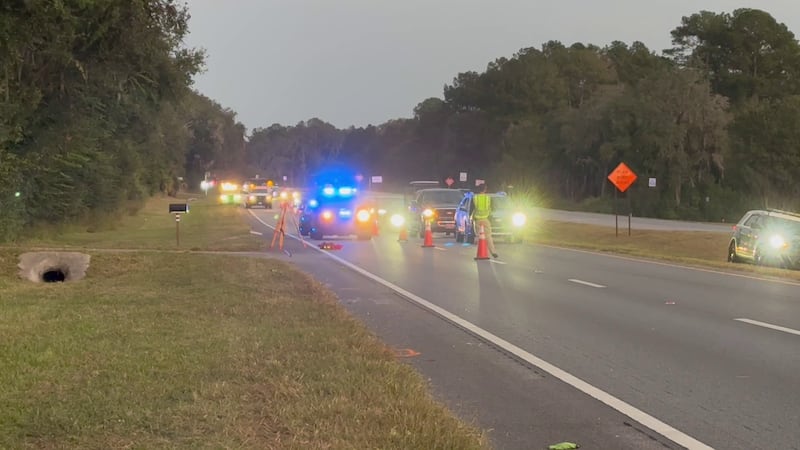
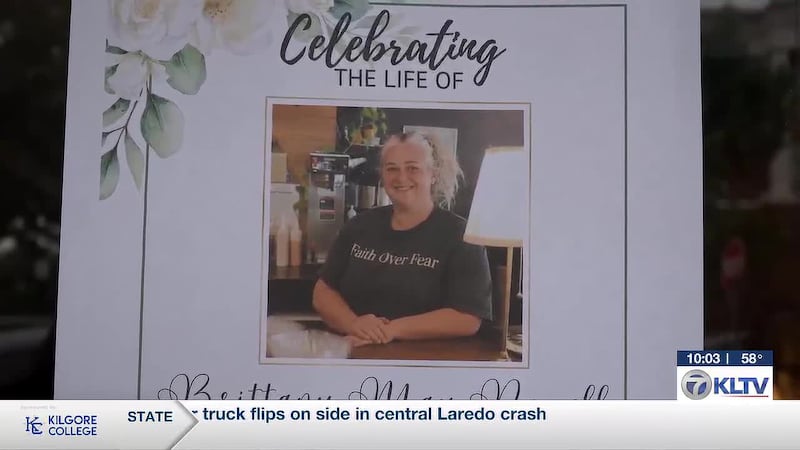
Timothy Michael Randall, 29, of Price, was shot and killed by Sgt. Shane Iversen of the Rusk County Sheriff’s Office during a traffic stop on Sept. 14, 2022, in Turnertown. Iverson was later no-billed by a Rusk County grand jury, meaning he was never indicted or charged with a crime.
On Wednesday, Judge John D. Love, U.S. Magistrate for the Eastern District of Texas in Tyler, filed his recommendation. Rusk County attorney Lee Correa filed the motion for summary judgement on the issue of qualified immunity on December 16, 2024. Qualified immunity protects government officials from liability for civil damages as long as their conduct does not violate clearly established statutory or constitutional rights.
In the 19-page recommendation, Love says Iverson argues that Randall committed multiple crimes including: a traffic violation, possession of an open container of alcohol, resisting arrest or detention, driving while intoxicated possession of drug paraphernalia, possession of methamphetamine, and assault of a peace officer. The attorney representing Randall’s family, Joseph Oxman, disputes those claims. Love later says Iverson was over 1,100 feet from the intersection when Randall crossed through the intersection. Love says the dashcam video makes it “quite difficult” to understand how Iversen could have seen Randall run the stop sign.
Love goes on to say during the stop that there is no evidence that Randall caused any bodily injury to Iversen and that Randall’s resistance to the arrest was verbal questioning at first followed by contact “only through Defendant’s [Iverson] escalating use of force.”
Later, Love states that a reasonable juror could find that the use of deadly force was excessive as the crimes were minor, non-violent ones. He says that Randall’s resistance was not physical towards Iverson and that he was unarmed with his hands empty and open while Iverson shot him from a kneeling position as Randall was trying to run away. Love says that “a reasonable juror could conclude that Defendant Iversen’s actions were objectively unreasonable.”
Love later says Randall never threatened Iverson with a weapon nor was he involved in a crime that caused serious physical harm to Iversen or anyone else. He also states that Iverson’s warning to get down was insufficient because the warning was given at 3:59, the exact second that Randall was fatally shot. Love says that warning is effectively null since it allows no time for compliance by Randall. Love goes on to say the evidence calls into question whether Iverson had probable cause to believe Randall posed a threat of serious harm at the time he was shot.
Both lawyers for Rusk County and Randall’s family has 14 days after receiving Love’s report to object to any of the findings, conclusions, and recommendations in the report.
Copyright 2025 KLTV. All rights reserved.